
Understanding the Appeal of River Rope Bridges
River rope bridges have captivated adventurers and tranquillity seekers alike for generations. These unique structures not only serve a practical purpose by providing a passage over water but also create an exhilarating experience that enhances any outdoor journey. From the scenic views they offer to the thrill of crossing a suspended walkway, river rope bridges have become vital components of outdoor exploration and eco-tourism. When exploring options, River Rope Bridge designs inspire both awe and adventure, making them a popular choice for nature lovers.
What is a River Rope Bridge?
A river rope bridge is a type of suspension bridge typically made from woven ropes and timber, designed to span across rivers and other bodies of water. These structures often utilise natural materials, which allows them to blend seamlessly into their surroundings. The design usually consists of a series of cables anchored on either side of the river, with the walking surface often constructed from wooden slats or sturdy rope netting. This allows for flexibility and movement, providing an exciting crossing experience.
Historical Significance of Rope Bridges
Rope bridges have a rich history that dates back thousands of years. They were originally built by indigenous people in various parts of the world, particularly in regions where traditional bridge construction was impractical. For instance, the ancient Inca civilization constructed impressive rope bridges across the rugged Andes, using natural plant fibres to create strong and flexible support systems. These bridges facilitated travel and trade, connecting communities separated by dramatic landscapes.
Today, the legacy of these historical designs continues, with modern engineers developing advanced materials and techniques based on traditional methods. This fusion of old and new not only preserves cultural heritage but also promotes sustainable engineering practices.
Popular Locations for River Rope Bridges
Several locations around the world are renowned for their stunning river rope bridges, attracting tourists eager for a thrilling experience. The Carrick-a-Rede Rope Bridge in Northern Ireland is one such example, providing breathtaking views of the coastline and surrounding landscapes. Similarly, the Qeswachaka Bridge in Peru, rebuilt annually by local communities, showcases traditional Incan techniques and offers a glimpse into the region’s rich cultural history. Other notable examples include the swinging bridges of the Amazon rainforest and the lush pathways of Bhutan.
Safety Considerations for Crossing a River Rope Bridge
While river rope bridges can offer exhilarating experiences, safety should always be a priority when navigating these structures. Ensuring proper preparation and awareness of potential risks can help adventurers enjoy their crossings without incident.
Essential Safety Gear and Equipment
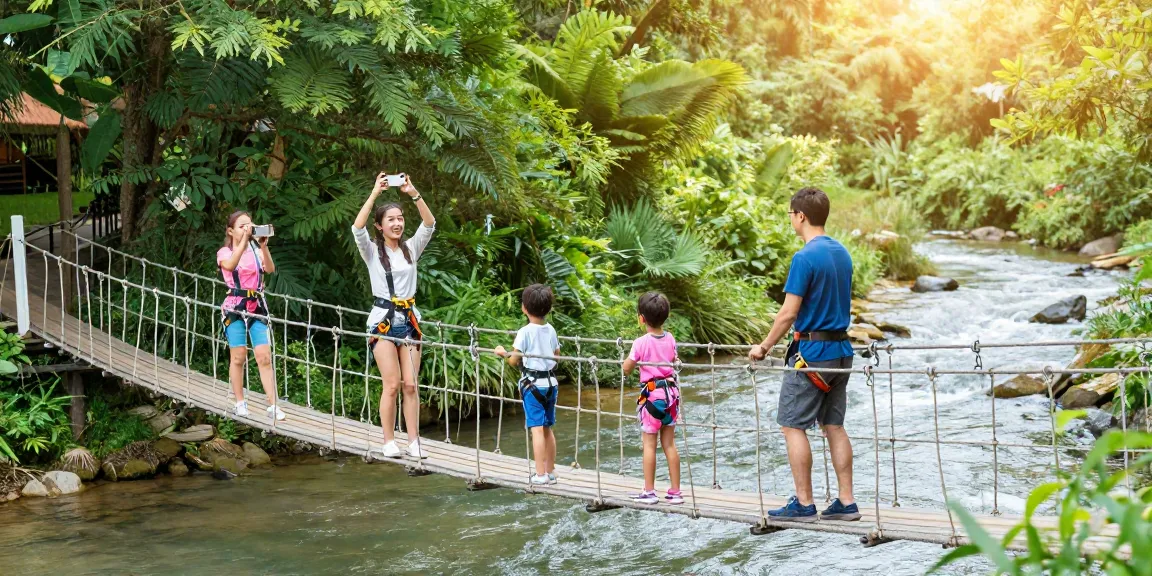
Before crossing a river rope bridge, it is vital to equip yourself with the right safety gear. A harness and helmet are fundamental for any high-altitude adventure. Wearing sturdy footwear with good grip is also essential, as the surface may be slippery. Additionally, a safety line can provide extra security, especially if you are traversing particularly high or exposed designs.
Common Risks and How to Mitigate Them
One of the primary risks associated with river rope bridges is instability due to strong winds or shifts in weight. To mitigate these risks, it’s important to cross at a steady pace and encourage all participants to remain spread out rather than clustering together. Additionally, understanding the weather conditions ahead of time can prevent dangerous scenarios.
Guidelines for Safe Crossing Techniques
- Test Stability: Before stepping onto the bridge, give it a gentle shake to ensure it's secure.
- Move Steadily: Avoid sudden movements; walk at a consistent pace.
- Keep Balance: Use both hands to grip the ropes or railing as needed.
- Use Caution in Groups: Cross one by one to minimize movement and maintain balance.
Design and Construction of River Rope Bridges
Materials Used in Building Rope Bridges
The materials used in constructing river rope bridges can greatly affect their durability and safety. Traditionally, natural fibres such as jute, sisal, and bamboo were favoured for their strength and flexibility. Today, engineers often opt for synthetic alternatives like nylon or polyester, which offer improved resistance to environmental factors such as moisture and UV exposure. The choice of materials will significantly depend on the purpose of the bridge, local climate conditions, and aesthetic desires.
Design Innovations and Trends for 2026
As we move into 2026, design innovations in river rope bridges are likely to focus on sustainability and technology integration. Architects are increasingly exploring eco-friendly materials that reduce environmental impact while improving longevity. Additionally, smart technology may be integrated into bridge designs, allowing for real-time monitoring of structural integrity and user traffic, ensuring safety and functionality.
Case Studies of Iconic Rope Bridge Designs
Several iconic rope bridge designs have garnered attention worldwide. The bridges built by the indigenous communities of Bhutan, known as 'Naga Bridges,' are exemplary in their use of local materials and traditional craftsmanship, proving that sustainable practices can coexist with cultural heritage. On the other hand, the Sky Bridge in Czech Republic incorporates modern engineering, demonstrating how contemporary design can enhance user experience while still respecting the environment.
Planning Your Adventure: What to Expect
Adventuring to a river rope bridge can be an unforgettable experience, but proper planning is essential to ensure a smooth journey.
Best Times to Visit Popular River Rope Bridges
While river rope bridges can be accessed year-round, the best time to visit often depends on the weather and local climate. Spring and early autumn are ideal for many locations, as mild temperatures and sunny weather can enhance both safety and enjoyment. Conversely, summer may attract larger crowds at popular destinations, potentially detracting from the overall experience.
What to Bring on Your Rope Bridge Adventure
To ensure a successful outing, packing the right items is essential. Consider bringing:
- Comfortable, durable clothing
- High-quality hiking boots
- Safety gear (harness, helmet, rope)
- A first-aid kit
- Water and snacks
Engaging Activities Near River Rope Bridges
Many river rope bridges are located within national parks or nature reserves that offer additional activities. Hiking, birdwatching, and photography are popular pursuits that enhance your visit. Some locations even provide guided tours or kayaking opportunities nearby, making your adventure both diverse and immersive.
The Future of River Rope Bridges
Emerging Trends and Technologies in Bridge Design
The future of river rope bridges will likely feature new materials and construction techniques aimed at improving resilience and user experience. Innovations such as augmented reality may enhance visitor engagement, allowing explorers to interact with their surroundings in novel ways. Sustainable practices are set to play a central role in future designs, with a strong emphasis on minimising environmental impact.
Sustainability Practices in Construction
With growing awareness of environmental issues, the construction of river rope bridges is increasingly incorporating sustainable practices. This includes using recycled materials, implementing low-waste construction processes, and engaging local communities in the building and maintenance of these structures. Such approaches not only safeguard the environment but also foster a sense of ownership and responsibility among locals.
Predictions for Popular Rope Bridge Locations in 2026
As adventurous travel continues to rise, several regions are expected to gain popularity for their river rope bridges in 2026. The lush forests of Central America and the serene landscapes of the Scandinavian countries are projected to attract visitors, eager to experience the thrill of crossing these stunning structures. Additionally, as more eco-friendly accommodations spring up nearby, the appeal of these adventures will only grow.
What are the Costs Involved?
The costs associated with visiting a river rope bridge vary widely depending on the location and any additional activities offered. Entry fees can range from minimal charges to more significant costs for guided tours that include other adventures. It’s advisable to check specific locations for pricing details to plan your budget effectively.
How to Choose the Right Rope Bridge Experience?
When selecting a river rope bridge experience, consider factors such as difficulty level, scenery, and additional activities available. Research various locations and read reviews to ensure your chosen destination aligns with your interests and skills. Engaging with local tour operators can also provide valuable insights into the best options for your adventure.