
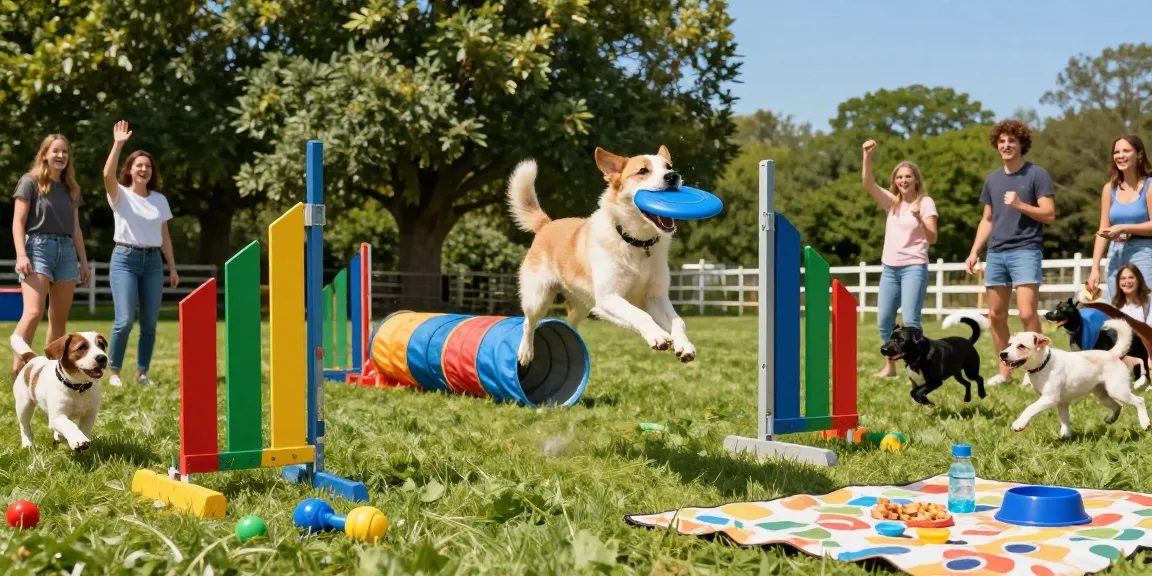
Understanding the Importance of Pet Training
Pet training is a fundamental aspect of responsible pet ownership that extends far beyond simple commands. Effective training not only strengthens the bond between you and your pet but also enhances their well-being and behavior. With the fast-paced evolution of technology in pet care, innovative solutions like NAGA2000 are changing the way we approach training, making it more efficient and engaging for both pets and owners. This article delves into the multifaceted world of pet training, exploring why it matters, the challenges faced, and the groundbreaking techniques that are reshaping training paradigms.
Why Training Matters for Pet Owners
Training is an essential component of pet care that promotes good behavior and communication. A well-trained pet is often more sociable, less anxious, and generally happier. This not only reduces the likelihood of destructive behaviors, but it also means fewer misunderstandings between pet and owner. For pet owners, this translates into a more harmonious household and a deeper emotional connection with their furry companions.
Moreover, training can safeguard pets from dangerous situations. For instance, teaching commands like “sit” or “stay” can prevent a dog from running into traffic or approaching aggressive animals. Overall, effective training can lead to a more enjoyable and enriching experience for both pets and their owners.
The Role of Consistency in Training
Consistency is key in any training regimen. Pets respond best to stable routines and predictable commands, which help them understand what is expected of them. While using commands and signals, make sure every family member uses the same phrases and gestures to avoid confusing the pet. Reinforcement, whether positive or negative, must also be delivered consistently to help pets learn quickly and effectively.
This steady approach helps solidify desired behaviors, making it easier for pets to grasp and retain commands. Furthermore, consistency builds trust, as pets learn they can rely on their owners to provide clear guidance.
Common Challenges in Pet Training
Despite the benefits of pet training, various challenges can hinder progress. One of the most common issues is lack of time; busy schedules can make it difficult to dedicate time to training sessions regularly. Additionally, pet owners may encounter behavioral issues that are deeply ingrained, requiring more patience and specialized techniques to address adequately.
Moreover, some pets may display stubbornness or distractions that make training difficult. It’s crucial for owners to remain patient and adaptable, understanding that every pet learns at their own pace. Utilizing technology like NAGA2000 can help mitigate these challenges by providing structured training protocols and tracking progress effectively.
Innovative Training Techniques with NAGA2000
Overview of NAGA2000 Features
The NAGA2000 is a revolutionary training device designed to enhance the pet training experience. With features like interactive feedback, customizable training programs, and the ability to monitor progress in real-time, it stands out among traditional training methods. The device uses a blend of auditory and tactile stimuli to reinforce commands, making learning more engaging for pets.
Incorporating technology in training helps bridge the gap between human understanding and animal behavior, offering a more effective and enjoyable training environment.
Integrating NAGA2000 into Daily Training Routines
Integrating NAGA2000 into daily routines provides a seamless way to reinforce training commands and behaviors. By setting specific training goals and using the device consistently, owners can establish a rhythm that pets will adapt to over time. For instance, using NAGA2000 during meals or playtime can enhance positive associations and increase motivation.
It’s also beneficial to schedule short, frequent training sessions, as they keep pets engaged and prevent boredom. The device’s technology can gamify the training process, turning commands into a fun challenge and helping to maintain your pet’s interest over time.
Success Stories: Pets Transformed
Numerous success stories demonstrate the effectiveness of NAGA2000 in transforming pet behavior. For example, a struggling dog named Max, who exhibited anxiety and hyperactivity, learned to calm down and follow commands within weeks of using the device. The owners noted a marked improvement in their dog’s focus and overall behavior, highlighting the profound impact of technology on training success.
Such testimonials showcase the potential of utilizing innovative solutions like NAGA2000 in not only achieving training goals but also enhancing the quality of life for both pets and their owners.
Creating an Engaging Training Environment
Setting Up a Positive Training Space
Creating a positive training environment is essential for effective learning. A designated training area should be free of distractions, comfortable for both the pet and the owner, and filled with the right equipment. Ensure that the space is well-lit, secure, and contains enrichment items that can help make sessions more appealing.
Incorporating elements like soft mats, training pads, or even interactive gadgets can create a positive association with the training space, making pets more eager to participate in sessions.
Using Toys and Treats Effectively
Toys and treats play a crucial role in keeping pets engaged during training. Using high-value treats, such as small pieces of their favorite snacks, can motivate pets to pay attention and follow commands. Additionally, incorporating interactive toys can break the monotony of commands and encourage playful learning. This keeps the training positive and enjoyable.
Remember that moderation is key. Too many treats can lead to unhealthy weight gain, so balance is essential when rewarding your pet.
Maximizing Engagement with Fun Activities
Training doesn’t have to be strictly about commands; incorporating fun activities can enhance the experience. Games like fetch, hide-and-seek, or agility exercises can serve as informal training while also promoting physical health. Using the NAGA2000 during these fun sessions can add depth to the experience, making training feel less like a chore and more like playtime.
By maintaining a high-energy and enjoyable training atmosphere, owners can foster a deeper bond with their pets and encourage faster learning.
Monitoring Progress and Adjusting Techniques
Tracking Behavioral Changes with NAGA2000
One of the standout features of NAGA2000 is its ability to track behavioral changes over time. By providing insights into a pet’s progress, owners can visualize their training journey and make informed decisions on next steps. This data-driven approach allows for fine-tuning techniques and adjusting strategies based on what works best for each individual pet.
Regularly reviewing progress helps owners stay motivated and encourages them to celebrate small successes, reinforcing a positive training experience.
When to Adjust Training Methods
It’s essential to recognize when a training method is ineffective. Signs such as decreased enthusiasm, frustration, or resistance may indicate that it’s time to reassess the approach. Flexibility is crucial; pets have unique personalities and learning styles, so what works for one may not work for another.
Utilizing feedback from NAGA2000 can aid in determining the right time to switch techniques or incorporate new methods, ensuring training remains effective and engaging.
Key Performance Indicators for Success
Setting key performance indicators (KPIs) for training success can provide a clearer path toward achieving goals. Metrics to consider include command recall rates, behavioral improvements, and engagement levels during sessions. Regularly assessing these KPIs will help owners gauge their pet’s progress and adjust training methods accordingly.
By focusing on measurable outcomes, owners can maintain motivation and effectively work towards their training objectives.
Future Trends in Pet Training Technology
The Evolution of Pet Training Tools by 2026
The landscape of pet training technology is evolving rapidly. By 2026, we can expect even more advanced tools like the NAGA2000 to incorporate artificial intelligence, offering personalized training programs tailored to individual pets. These tools will analyze behavioral data to suggest optimal training strategies, revolutionizing how we approach pet education.
Furthermore, as internet of things (IoT) technology gains traction, we’ll likely see interconnected devices that sync data, providing real-time feedback to enhance the training experience.
Expert Insights on Upcoming Innovations
Industry experts are optimistic about the future of pet training tools. Innovations like augmented reality (AR) and virtual reality (VR) could soon play a role in how we train our pets, offering immersive experiences that combine entertainment with learning. This will engage pets in entirely new ways, enhancing their training experiences and outcomes.
Such advancements will not only empower pet owners but will also contribute to better understanding between humans and animals.
Leveraging Technology for Better Training Outcomes
To achieve optimal training results, leveraging technology is crucial. Devices like the NAGA2000 are merely the beginning. Integrating various tech solutions—such as mobile apps for tracking progress, online communities for sharing experiences, and virtual training classes—can create a well-rounded training experience. By combining multiple resources, pet owners will find themselves better equipped to navigate challenges and succeed in their training journeys.
In conclusion, embracing modern technology and innovative training strategies will lay the foundation for successful pet training. With tools like NAGA2000, the future of pet training is not only transformative but also incredibly promising.
