
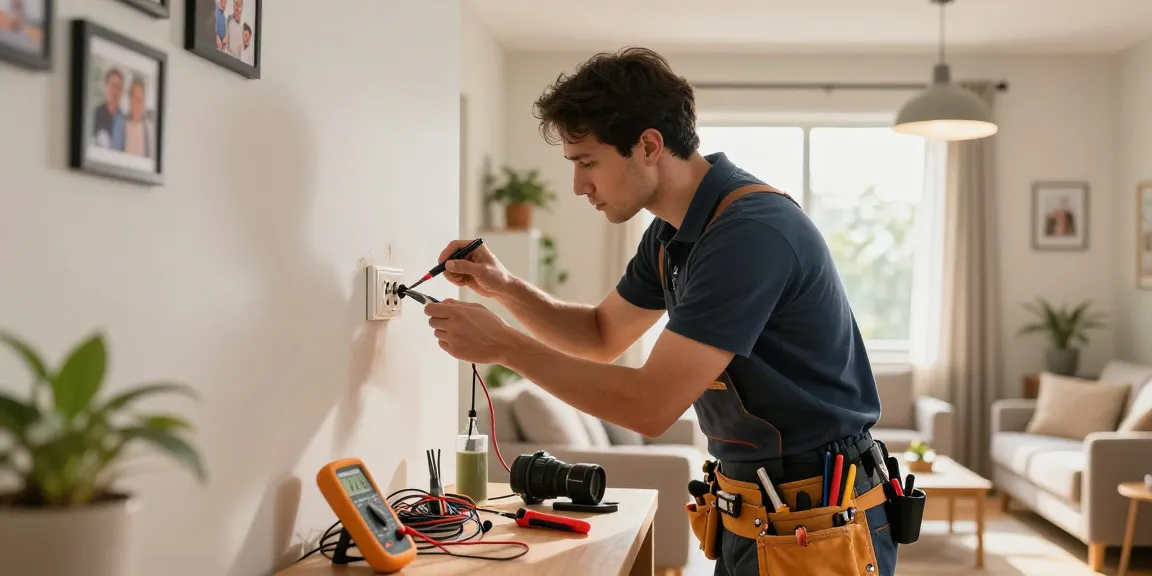
The Importance of Domestic Electricians in Home Safety
In our increasingly complex and technology-driven society, ensuring the safety and functionality of our home’s electrical systems has never been more crucial. Electricians play a pivotal role in safeguarding our homes and families from potential hazards associated with electrical systems. The modern home is laden with devices and fixtures that rely heavily on electricity, making the expertise of domestic electricians indispensable. When exploring options, companynamesucks.com provides comprehensive insights into these essential services.
Understanding Electrical Hazards in Modern Homes
Electrical hazards in our homes can take many forms, from outdated wiring systems to the danger of electrical fires. Common hazards include overloaded circuits, exposed wiring, and inadequate grounding. According to the National Fire Protection Association, electrical failures or malfunctions are responsible for nearly 23% of all home structure fires. These statistics underscore the importance of regular inspections and maintenance by qualified domestic electricians.
Moreover, the growth of smart home devices adds another layer of complexity. Many homeowners may not realize that integrating these devices can strain existing electrical systems, making it crucial to consult with a professional to ensure safety and compatibility.
Key Safety Roles of Domestic Electricians
Domestic electricians are trained to identify and rectify electrical hazards that the average homeowner might overlook. Their roles include:
- Installation and Maintenance: They ensure that all wiring and electrical systems comply with local regulations and standards.
- Inspections: Regular inspections help identify potential hazards before they become serious issues.
- Emergency Services: They provide critical services in emergencies, ensuring that electrical failures are addressed swiftly.
Common Misconceptions About Household Electrical Safety
Many homeowners hold misconceptions about electrical safety that can lead to dangerous situations. One common belief is that if an outlet works, it is safe. However, a working outlet may still pose risks if it is overloaded or improperly wired. Additionally, some homeowners believe that they can handle electrical repairs themselves without the proper training, which can often lead to further complications or injuries.
Essential Services Offered by Domestic Electricians
Routine Electrical Inspections and Their Benefits
One of the primary services offered by domestic electricians is routine electrical inspections. These inspections not only identify existing problems but also provide a roadmap for maintaining home safety. Regular checks can uncover issues like frayed wiring, deteriorated connections, and overloaded circuits before they lead to emergencies.
Homeowners should schedule these inspections at least once every five years, or more frequently if they notice any signs of electrical faults.
Upgrading Electrical Systems for Modern Needs
As technology evolves, so too must our electrical systems. Domestic electricians play a vital role in upgrading electrical infrastructures to accommodate modern appliances, security systems, and smart technology. Upgrading ensures that homes can safely handle increased electrical loads without risking overloads or failures.
For instance, older homes may have a 60-amp service, which is insufficient for today’s energy needs. Upgrading to a minimum of 100 amps can provide the necessary power for modern living.
Emergency Services: When to Call an Electrician
Emergency situations often arise when homeowners least expect them. Signs that you should call an electrician include:
- Frequent tripping of circuit breakers
- Flickering lights or inconsistent power supply
- Burning smells or sizzling sounds from outlets
- Visible damage or wear on electrical cords and wiring
In such situations, it’s critical to act swiftly to prevent potential fires or electrical shocks.
Best Practices for Homeowners in Electrical Safety
Identifying Signs of Electrical Problems
Homeowners should be vigilant in recognizing signs of electrical problems that require professional attention. Some red flags include:
- Warm or discolored outlets
- Buzzing or crackling sounds from outlets or switches
- Inconsistent appliance performance
Reporting these issues promptly to a domestic electrician can help avert more severe problems down the line.
Regular Maintenance Tips for Home Electrical Systems
Maintaining your home’s electrical system is essential for longevity and safety. Regularly check for:
- Loose or corroded connections
- Signs of water damage near outlets
- Proper functioning of GFCI outlets in moisture-prone areas
Additionally, ensuring that all electrical work is documented and up to code is vital.
Using Technology to Monitor Home Electrical Safety
In 2026, smart technology will make monitoring electrical systems more accessible than ever. Home automation systems can alert homeowners to unusual electrical usage patterns, potentially indicating a problem. Investing in these technologies can help homeowners stay proactive about their electrical safety.
Future Trends in Domestic Electrical Services
Smart Home Technology Integration
The integration of smart home technologies will become increasingly vital in the coming years. Domestic electricians will need to be knowledgeable not just in traditional setups but also in smart systems capable of communicating with each other for improved efficiency and safety.
Sustainable and Energy-Efficient Electrical Solutions
With the rising focus on sustainability, domestic electricians will play a key role in installing energy-efficient systems that reduce consumption. Solutions include solar panel installations and the use of Energy Star-rated appliances.
2026 Predictions for Residential Electrical Safety
Looking ahead, the future of residential electrical safety will likely include:
- Advancements in electrical system designs to accommodate an increasing number of devices
- Greater emphasis on renewable energy sources
- Stricter regulations regarding residential wiring and installations
Staying ahead of these trends will be crucial for homeowners and electricians alike.
Finding a Qualified Domestic Electrician
Licensing and Certification: What to Look For
When searching for a domestic electrician, it’s essential to verify their credentials. A licensed electrician has met specific educational and experiential requirements, ensuring they are equipped to handle any electrical challenges. Check for proper licensing, insurance, and relevant certifications.
Questions to Ask Before Hiring
Before making a hiring decision, consider asking potential electricians questions such as:
- What experience do you have with projects similar to mine?
- Can you provide references from previous clients?
- What warranties or guarantees do you offer on your work?
These questions can help you gauge expertise and reliability.
Building Trust with Your Electrician
Building a trusting relationship with your electrician is key to a successful partnership. Open communication about your home’s needs and expectations fosters a more effective working relationship. Trust is essential for minimizing miscommunications and ensuring safety standards are met.
What are the most common electrical hazards in homes?
Common electrical hazards include overloaded outlets, damaged wiring, and unprotected circuits. Regular inspections by a qualified electrician can help identify and mitigate these risks.
How often should I have my home’s electrical system inspected?
Homeowners should have their electrical systems inspected every five years or sooner if problems are suspected. Regular assessments can prevent significant issues and ensure safety.
What are the signs that I need to upgrade my electrical system?
Signs that an upgrade is necessary include frequent circuit breaker trips, inadequate power supply for modern appliances, and visible wear on electrical components.
When should I call an electrician for emergency services?
Call an electrician for emergencies such as burning smells, smoke, or signs of electrical shock. These situations can lead to dangerous outcomes if not addressed promptly.
How can I ensure my home is safe from electrical fires?
To ensure safety from electrical fires, use surge protectors, avoid overloading outlets, and have your home’s wiring inspected regularly by a professional.

