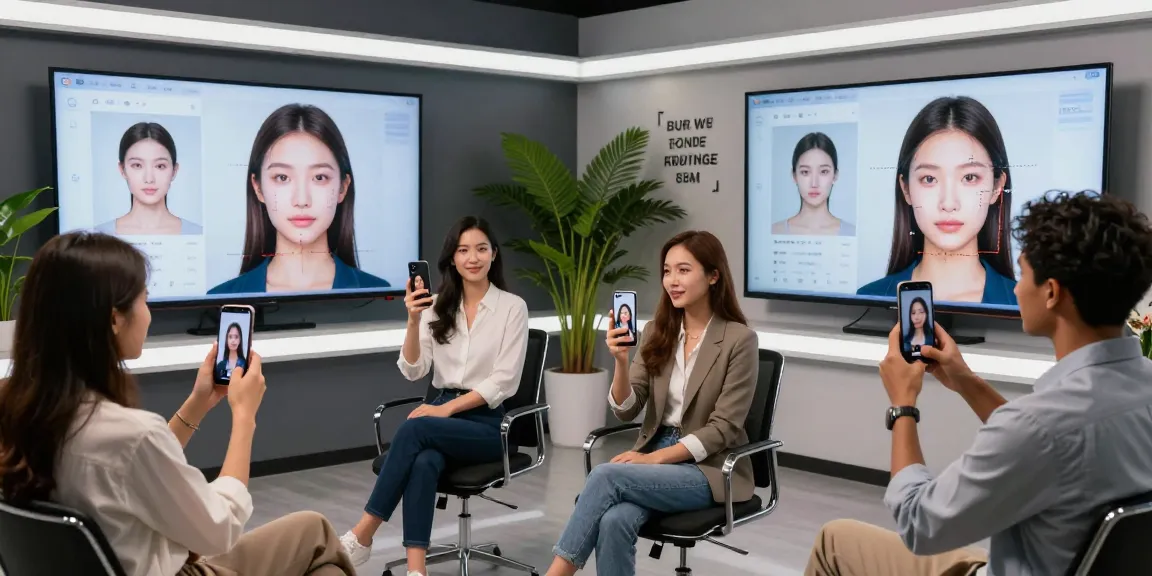

Understanding the Technology Behind How Old Do I Look
As the fascination with age estimation technology grows, many are eager to explore how accurate these applications truly are. With the rise of artificial intelligence (AI) and machine learning, algorithms can now analyze images to estimate biological age based on facial features. But what does this technology entail, and how reliable are these estimations? To gain a deeper understanding, it's crucial to delve into the mechanics behind apps that tell you how old do I look and assess their implications for users.
What is Facial Recognition Technology?
Facial recognition technology is a subset of AI that analyzes facial features to identify or verify individuals based on their images. This technology leverages pattern recognition to match facial characteristics against a database. By detecting unique facial landmarks like the distance between eyes and the shape of the nose, these systems can not only identify a person but can also estimate their age.
How AI Estimates Biological Age
AI models are trained using vast datasets that include images of faces categorized by age. These models learn to recognize patterns associated with aging, such as skin texture, wrinkles, and overall facial structure. When you upload a photo, these algorithms analyze the features and correlate them with the knowledge acquired during training to provide an estimated age. This process relies heavily on neural networks, which mimic the human brain's functionality, allowing for increasingly accurate predictions as more data is processed.
Privacy Considerations of Age Estimation Apps
With technology comes responsibility. Users should be aware of privacy concerns surrounding facial recognition technology. Many age estimation apps require users to upload personal photos, raising questions about data storage and usage. It's essential to choose applications that prioritize user privacy, ensuring that images are processed securely and not stored beyond the session. Furthermore, understanding the terms of service and privacy policies is critical before utilizing these platforms.
The Science of Aging: An Overview
The intersection of technology and biology presents a fascinating landscape, particularly when it comes to understanding aging. Aging is a complex biological process influenced by genetics, environment, and lifestyle choices. To appreciate how apps estimate one's age, it's necessary to grasp the scientific principles behind aging itself.
Biological vs. Chronological Age
Biological age refers to how well your body functions and how well your biological systems are operating, whereas chronological age is the time elapsed since birth. Tools that assess how old you look focus on biological age, providing insights into your physical health and wellness rather than the time you've lived.
Factors Influencing Perceived Age
Various factors can influence the age that you appear to others, including:
- Skin Health: Conditions such as sun damage and acne can accelerate perceived aging.
- Lifestyle Choices: Diet, exercise, and sleep significantly affect physical appearance.
- Environmental Factors: Pollution and stress can have lasting impacts on how we look.
Common Myths About Aging
Misconceptions about aging can lead to detrimental habits. For example, many believe that aging is solely determined by genetics, neglecting the influence of lifestyle choices. Other myths include that everyone ages the same way, when, in fact, individual experiences differ greatly based on various factors.
Maximizing Your Experience with Age Estimation Apps
To get the most accurate and insightful results from age estimation apps, users should adopt best practices. This section focuses on how to use these platforms effectively and interpret the results meaningfully.
Best Practices for Uploading Photos
To achieve the best results, consider the following tips when uploading photos:
- Ensure good lighting: Natural light can highlight facial features better than artificial light.
- Avoid heavy makeup: The app needs to analyze your natural features for an accurate estimate.
- Use a straightforward background: A cluttered background can confuse the algorithm.
Interpreting Results: What They Mean
Upon receiving your age estimation, it's vital to understand what the numbers mean. While the results can provide insights into how you appear relative to your actual age, they are not definitive. Consider them as general indicators rather than strict categorizations.
Sharing Your Results Safely and Responsibly
In an age where social sharing is commonplace, users should consider the implications of sharing their age estimates online. Always ensure that your privacy settings are adjusted accordingly and think critically about the potential impact of sharing personal information.
Future Trends in Age Estimation Technology
The field of age estimation is rapidly evolving, with advancements that promise to enhance user experience and accuracy. This section explores anticipated developments in this technology.
Emerging Features and Innovations for 2026
As we look to the future, emerging technologies will likely include:
- Real-Time Estimation: The capability to analyze age in real-time through live video.
- Integration with Health Data: Combining age estimation with health metrics for a comprehensive wellness overview.
- Enhanced Personalization: Custom algorithms that account for individual traits beyond facial features.
The Role of User Feedback in Development
User feedback is crucial in improving age estimation applications. As more users engage with these platforms, their experiences can guide developers in refining algorithms and enhancing user interfaces, making these tools more effective and user-friendly.
Anticipated Challenges and Solutions
With innovation comes challenges. Privacy concerns, data security, and technological biases are critical issues that developers will need to address. Solutions may include improved encryption methods, transparency in data usage, and continuous testing for bias in algorithms.
How Old Do I Look: Community and Social Aspects
Beyond just individual use, age estimation apps can create community dynamics that influence social interactions. Understanding these aspects can enhance user experience and foster engagement.
Engaging with Friends: Fun Ways to Share Results
Sharing results with friends can lead to playful interactions. Consider creating friendly competitions or challenges where friends can see who looks younger according to the app's estimates. This can facilitate bonding and make the experience more enjoyable.
The Impact of Social Media on Age Perception
Social media platforms play a significant role in shaping perceptions of age. With filters and photo-editing tools, users often present altered images that can create unrealistic standards. Age estimation tools can help counteract these perceptions by providing objective assessments.
Building a Community Around Facial Age Estimation
Establishing a community can enhance user experience, providing support and sharing insights. Forums and social media groups dedicated to discussing results and experiences can foster connection among users.
What Is the Best Time to Use These Apps?
Engaging with age estimation apps can offer insights at various life stages. Whether you're preparing for a significant event or simply curious about your appearance, these tools can provide valuable feedback at any time.
Can These Tools Boost Self-Esteem?
For some, using age estimation apps can serve as a confidence booster by validating youthful appearances or prompting positive lifestyle changes. It's essential, however, to approach results with a balanced perspective and an understanding that these tools are not definitive measures of worth or beauty.